Longevity on Your Wrist
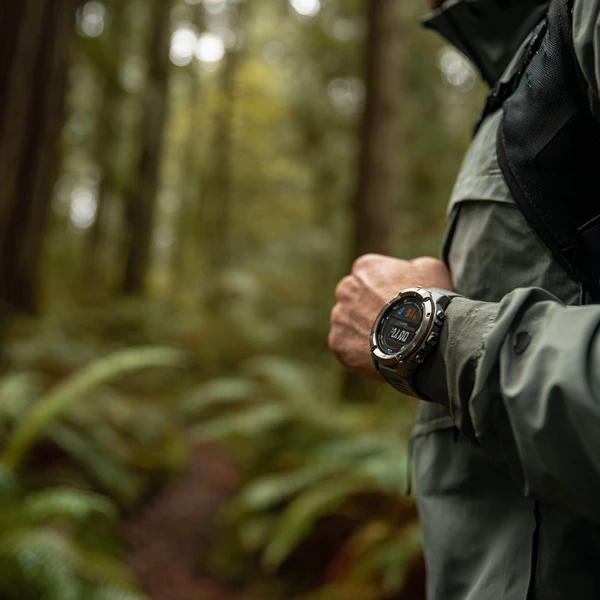
One of the best allies for weight loss is a good sports watch. Not because it makes you work out more – but because it lets you see how much you actually move, how many calories you burn, and how much you sleep. When it comes to losing weight, I think two metrics matter the most: your total daily burned calories (because that’s your baseline for what you eat) and your step count. But the other indicators help a lot too, especially if you start taking your health more seriously.
As I might have mentioned before, I’ve recently started a longevity mentor training program. It’s a highly fascinating and multifaceted field. Without diving too deep into the details right now, the core pillars of longevity—meaning healthy aging—include:
- quality sleep
- regular exercise and mobility
- healthy nutrition
- stress management and keeping stress levels low
- mental health
- social connections
This morning it struck me that quite a few of these things are actually measurable today. For instance, on a sports watch. When worn day and night, a good sports watch is already capable of measuring (or estimating):
- step count
- heart rate
- workouts
- sleep
- stress levels
- active calories
- HRV (Heart Rate Variability)
- VO2 max levels
In addition, here are a few “nice-to-have” features:
- GPS
- Pulse oximeter (useful for screening for potential sleep apnea)
This way, the watch can provide feedback on several of the longevity pillars:
- your sleep
- your steps and the quality of your movement based on heart rate zones
- active calories
- stress levels
- as well as your HRV and VO2 max values
On a Garmin, for example, if your sleep score is consistently below 80, you know you need to work on your sleep. If you don’t hit your 7,000–8,000 steps a day, you know you need to walk more. If you consume more than your total daily burned calories, you’ll gain weight; if you consume less, you’ll lose it. If your stress levels are high all day, you know it’s time to find some stress-reducing routines. On top of that, these watches can estimate your VO2 max (your heart and lungs’ capacity to take in and transport oxygen during exercise), which is particularly interesting from a longevity perspective, as better endurance is generally linked to better long-term health outcomes.
Furthermore, if you notice a sudden shift in your HRV or resting heart rate, you might even suspect an oncoming illness (or overtraining).
All this data might seem overwhelming at first, but in return, you basically have a longevity mentor sitting on your wrist, giving you feedback on how you’re doing with the basics.
I’ve rounded up a few entry-level sports watches that pack all these features:
- Garmin Forerunner 165: the best value-for-money entry-level running watch (Eszter wears this one; my watch is its bigger sibling, the 265)
- Amazfit Active 2: the most budget-friendly option
- Coros Pace 3: the best value-for-money pure sports watch after Garmin
- Polar Pacer: the technocratic Finn—a no-nonsense tool for the job
- Suunto Run: if you run/hike a lot and premium build quality matters to you
Unfortunately, these are not cheap watches, but in exchange, you get products from reliable manufacturers. They can serve your health for years, and I’d even go as far as to say they are well worth buying second-hand.
If you have any personal experience with these products, I’d love to hear it!
Join our little community:
Translations:
| Next | Previous |
| My Own Blue Zone | Fickle April |